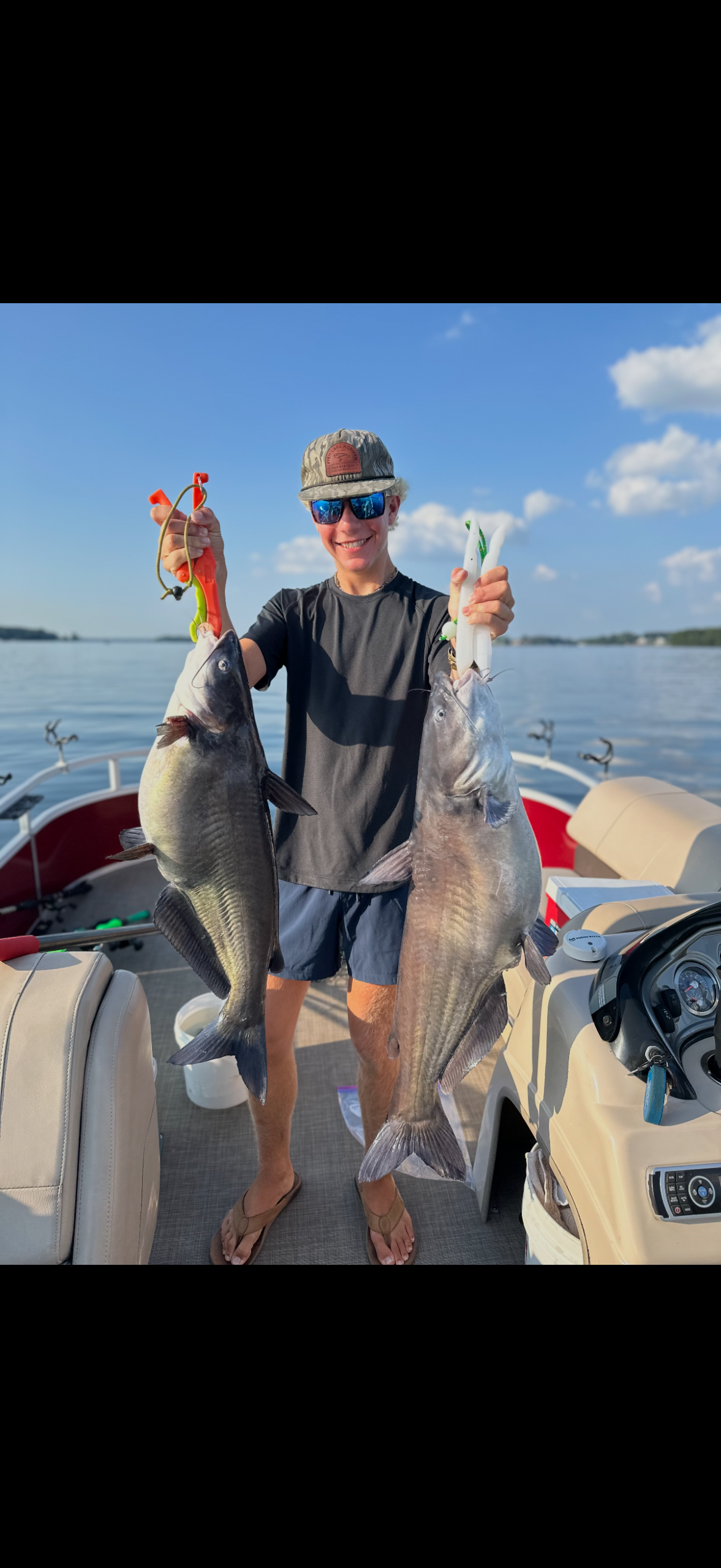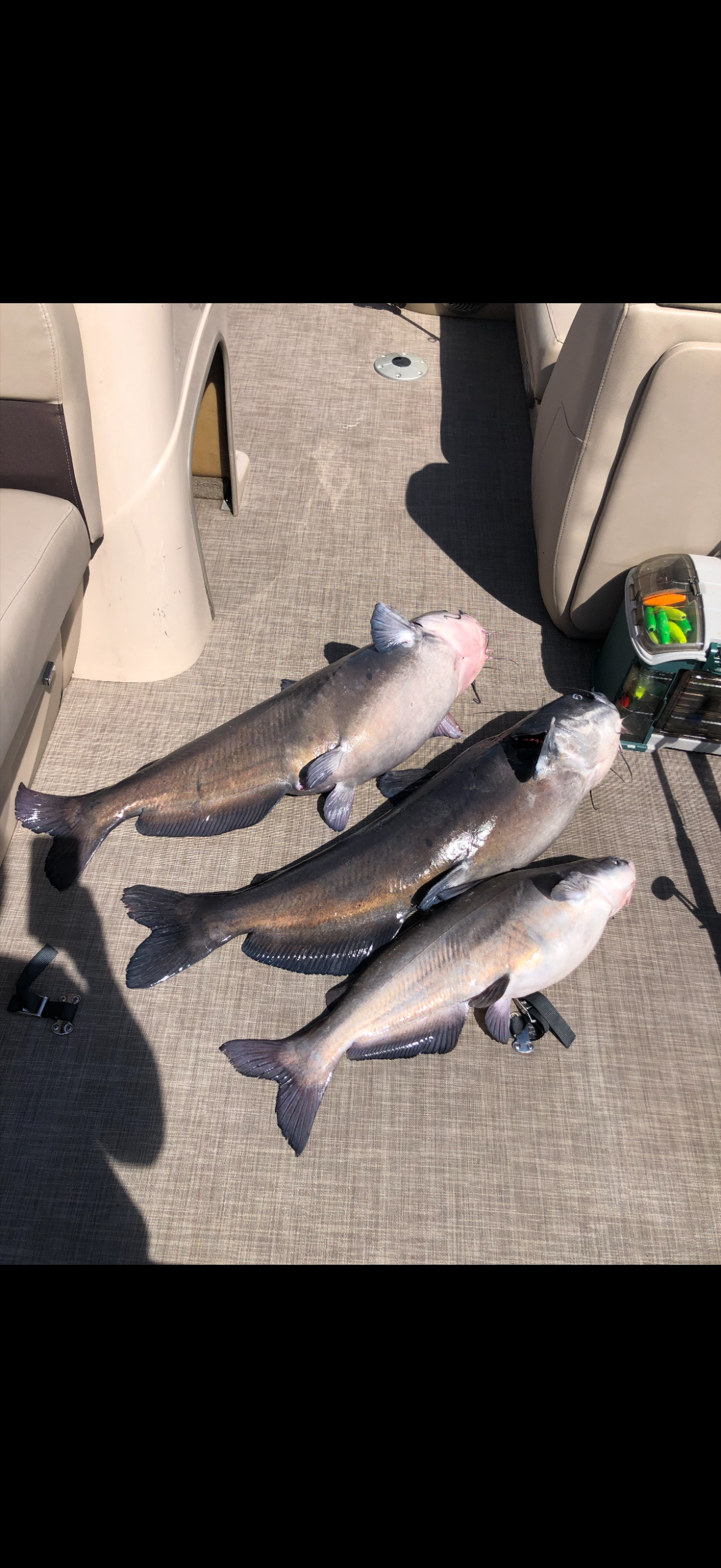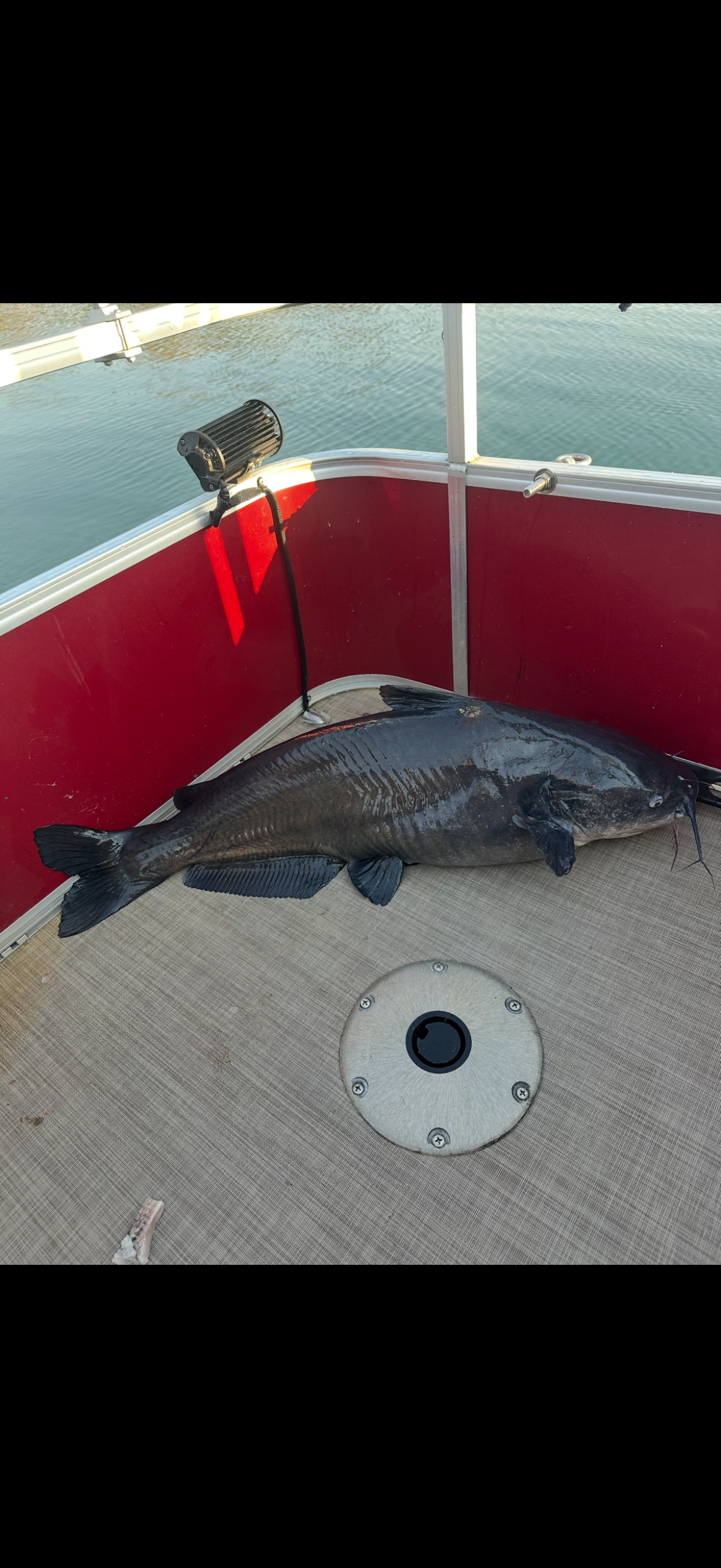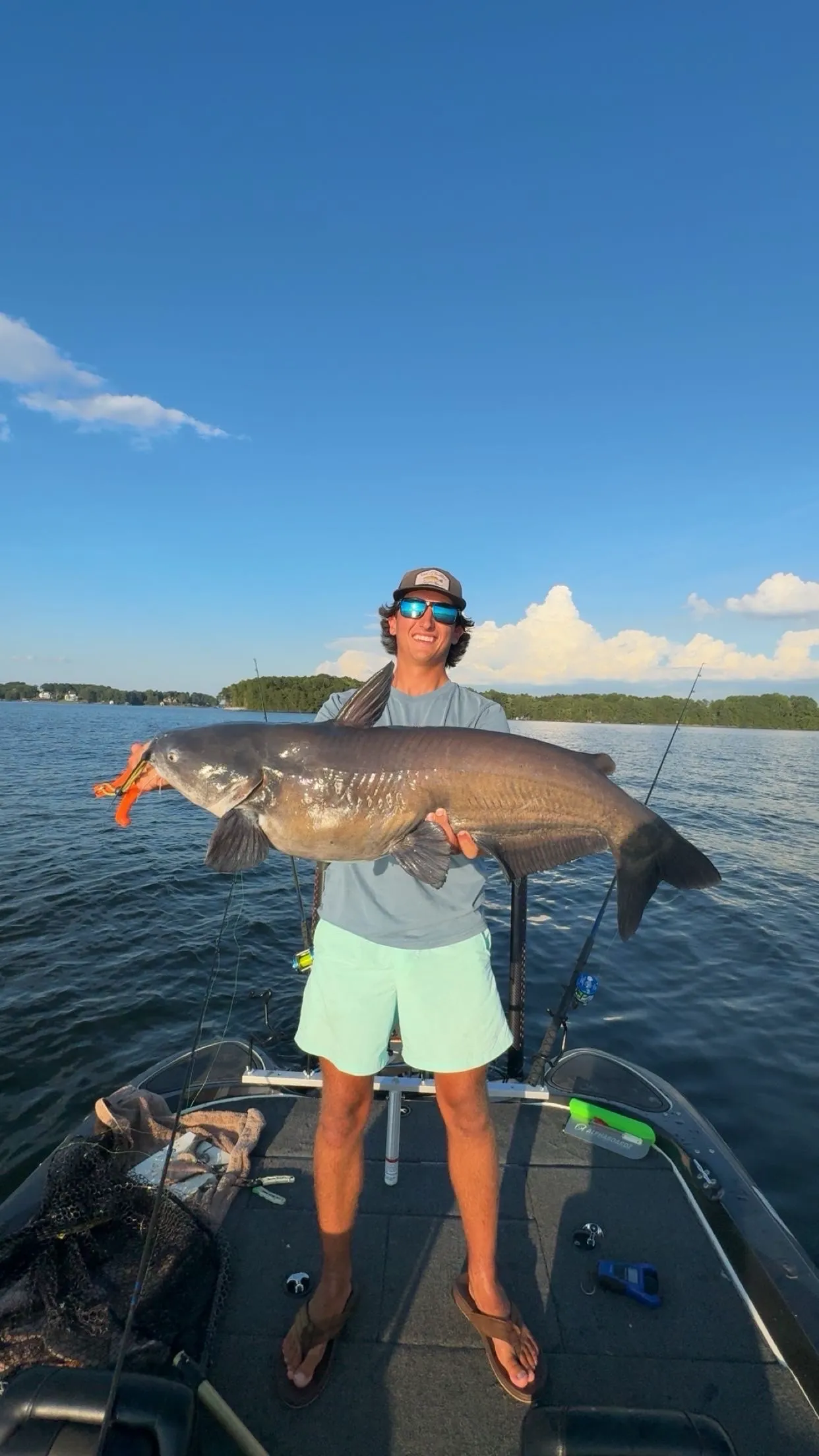

If you are new to bass fishing, a guided trip can feel like a big step. A Lake Norman charter makes it easier because you are not guessing where to go or what to use. You show up, meet your guide, and talk through the plan for the day. Expect a quick safety talk, a look at the gear, and a simple rundown of how the boat will run. You do not need to know fancy terms. A good guide explains each step in plain words and helps you practice. Lake Norman is a large lake with many coves, points, and docks, so a guide helps you focus on fishing instead of getting lost. Bring snacks, water, and a good attitude. The goal is to have fun and catch fish while you build real skills.
What Lake Norman Looks Like From A Boat
Lake Norman, North Carolina, is big and busy, and it has many kinds of water. Some areas are open and windy, while others are calm and tucked into coves. You may see floating docks, rocky banks, bridge pilings, and patches of grass in certain spots. Bass uses these places as cover. On a charter, the guide will move around to find the best water for the day’s conditions. You might start near shallow pockets early, then shift to deeper structure later. The water level can change, and boat traffic can pick up, especially on weekends. Your guide will choose safer, smarter routes and stop in spots where bass like to feed. You will also notice how the water color changes from place to place. Clear water often calls for lighter line and quieter casting. Stained water can let bass hunt closer to the bank.
Simple Gear You Will Use On Charter Trips
Most charters provide rods, reels, and tackle, so you can focus on learning. You will likely use a baitcasting or spinning setup. Spinning reels are usually easier for beginners because they cast with less trouble. Baitcasters can cast farther and handle heavier lures, but they take practice to avoid tangles. Your guide may set you up based on your comfort level. Expect to use line in the 10–17 pound range, depending on cover like docks or brush. Hooks and weights will match the bait choice. Common starter lures include soft plastic worms, small swimbaits, and simple moving baits. Your guide will also talk about knot choice, because knots matter. A basic, improved clinch knot or Palomar knot is often enough for new anglers. You do not need a pile of gear. A few proven tools, used well, catch a lot of bass.
How Guides Find Bass Using Electronics
A big part of modern bass fishing is boat electronics. Do not worry—you do not have to run them. But it helps to know what the guide is looking at. Most boats use sonar to show depth, bottom shape, and fish marks. Down imaging can show brush piles, rocks, and drop-offs more clearly. Side imaging can scan water to the left and right of the boat to find schools of bait or grouped fish. Your guide may also use GPS mapping to mark spots and follow depth lines. On Lake Norman, bass often hold near changes in depth, like ledges and humps. A guide might idle slowly while scanning, then stop and fish a spot they see on the screen. This saves time and helps you learn where fish live, not just where they bite that day. When you watch this process, you start to understand patterns, not luck.
Casting, Hooksets, And Landing Fish The Right Way
New anglers often think catching bass is only about the lure, but skills matter just as much. Your guide will likely teach three key moves: casting, setting the hook, and landing the fish. Casting is about control, not power. You will aim for targets like dock posts, shady edges, or gaps in cover. A smooth cast keeps the lure quiet when it hits the water. Hooksets depend on the lure. With moving baits like crankbaits, you usually just reel and pull steady. With soft plastics, you may feel a “tap” or pressure, then pull up firmly. Once the fish is on, keep your rod bent and your line tight. Bass can jump and shake the hook loose. Your guide may use a net or lip-grip tool, but many bass are landed by gripping the lower jaw carefully. You will learn fast with real fish on the line.
What Bass Eat And Why Lures Work
Bass are hunters, and they eat what is easy to catch. On Lake Norman, common food includes shad, bluegill, and small crayfish. That is why many lures copy these shapes and movements. A swimbait can look like a small fish. A jig can look like a craw moving on the bottom. A worm can look like many small creatures, and bass might bite out of curiosity or hunger. Your guide will explain how to work each lure based on where the fish are holding.
Here are a few simple lure styles you may use:
- Soft plastic worm: Often fished slowly near docks and brush
- Jig: Good for bottom fishing around rocks and wood
- Crankbait: Covers water fast and bumps along hard cover
- Spinnerbait: Works well in wind or stained water
- Topwater bait: Used early or late when bass feed near the surface
You will also learn that color choice often follows water clarity: natural colors in clear water, darker or brighter colors in stained water.
Weather, Seasons, And Daily Bite Changes
Bass behavior changes with season, water temperature, and light. Your guide will plan around these factors. In spring, bass may move shallow to spawn, so you might fish coves, banks, and docks. In summer, many bass move deeper during bright midday sun, so you may fish points, channel edges, and deep brush piles. In the fall, bass often chase baitfish, and the bite can speed up with moving lures. In winter, fish may slow down and hold deeper, and you may fish more slowly with smaller baits. Wind can help fishing by breaking up light and pushing bait, but it can make boat control harder. Cloud cover can extend shallow feeding. A cold front can make bass less active for a day or two. A good charter sets expectations: some days are fast, some are slow, but you will still learn how to adjust. The goal is to understand “why” a plan works, not just copy it.
Boat Rules, Safety, And Comfort On The Water
A charter is more fun when everyone feels safe and comfortable. Expect life jackets, a safety talk, and clear rules for moving around the boat. Many guides ask guests to stay seated when the boat is on plane and to hold rails when needed. Sunscreen, a hat, and sunglasses help a lot. Polarized sunglasses are best because they cut glare and help you see into the water near the bank. Wear shoes with a good grip. Bring a light rain jacket if the weather might change. Also expect normal lake conditions, like wakes from other boats. Your guide will position the boat to make casting easier and safer. If you feel unsure, say so. Guides would rather slow down and help than have you struggle. Good communication makes the day smoother. Before the trip, ask about what licenses you need and what the charter provides. That small step avoids stress at the ramp.
Conclusion: A Fun Way To Build Real Skills
A Lake Norman charter is a smart way to start bass fishing because you get hands-on help, good gear, and a clear plan. You will practice casting, learn a few simple lures, and see how bass relate to cover and depth. You will also learn how the weather and seasons change the bite. If you want a guided trip on Lake Norman, NC, Fish Lake Norma offers fishing charter services with a maximum of 3 guests, so it stays calm and focused. That small group size makes it easier to ask questions, get tips, and enjoy the day.