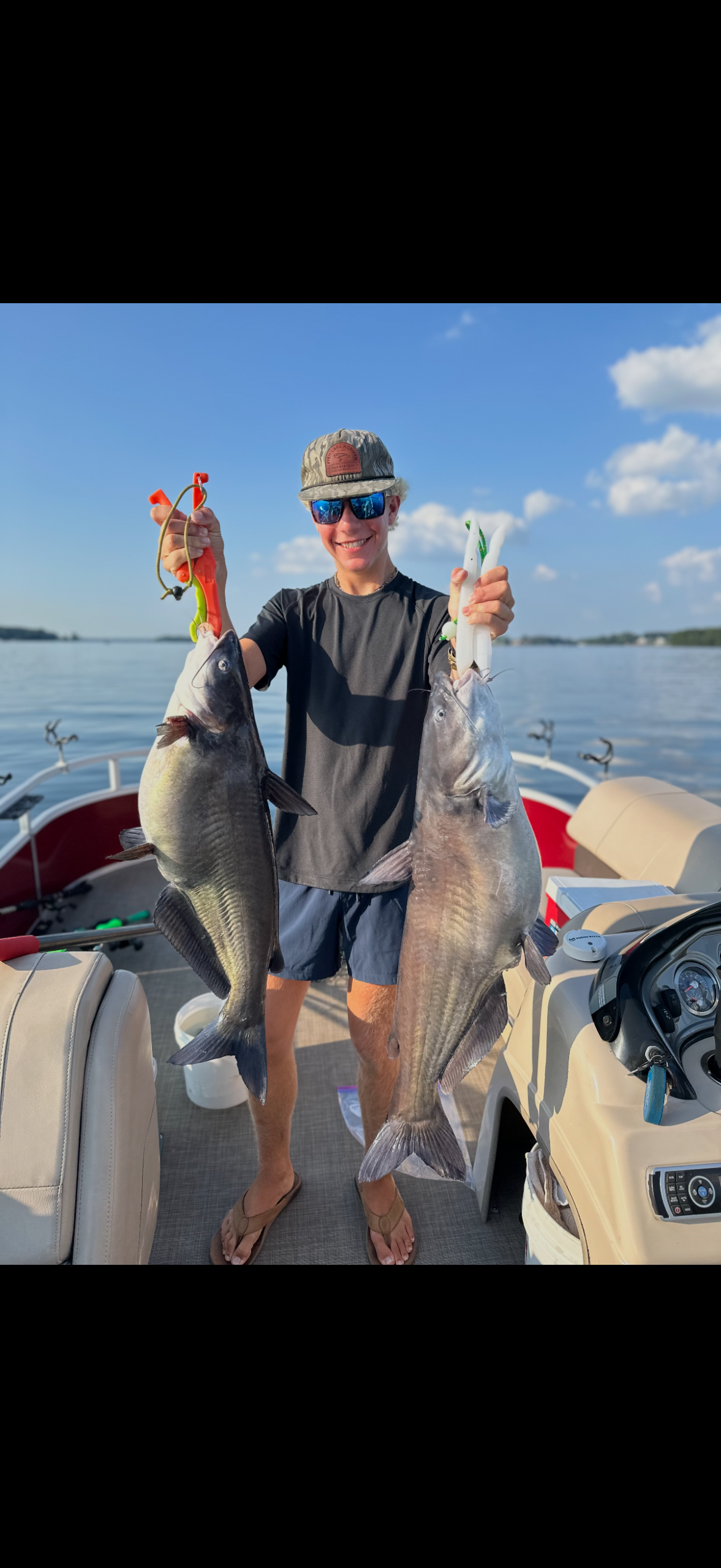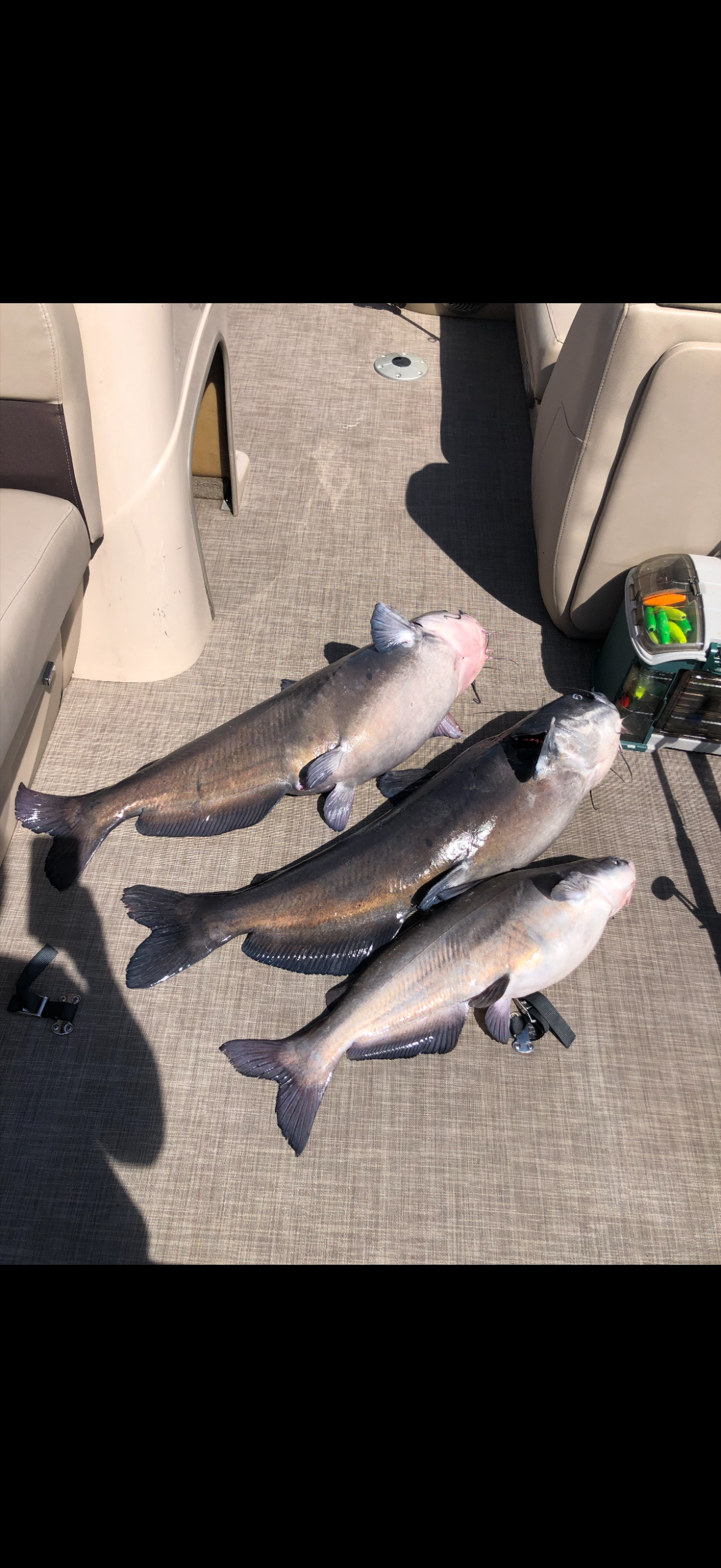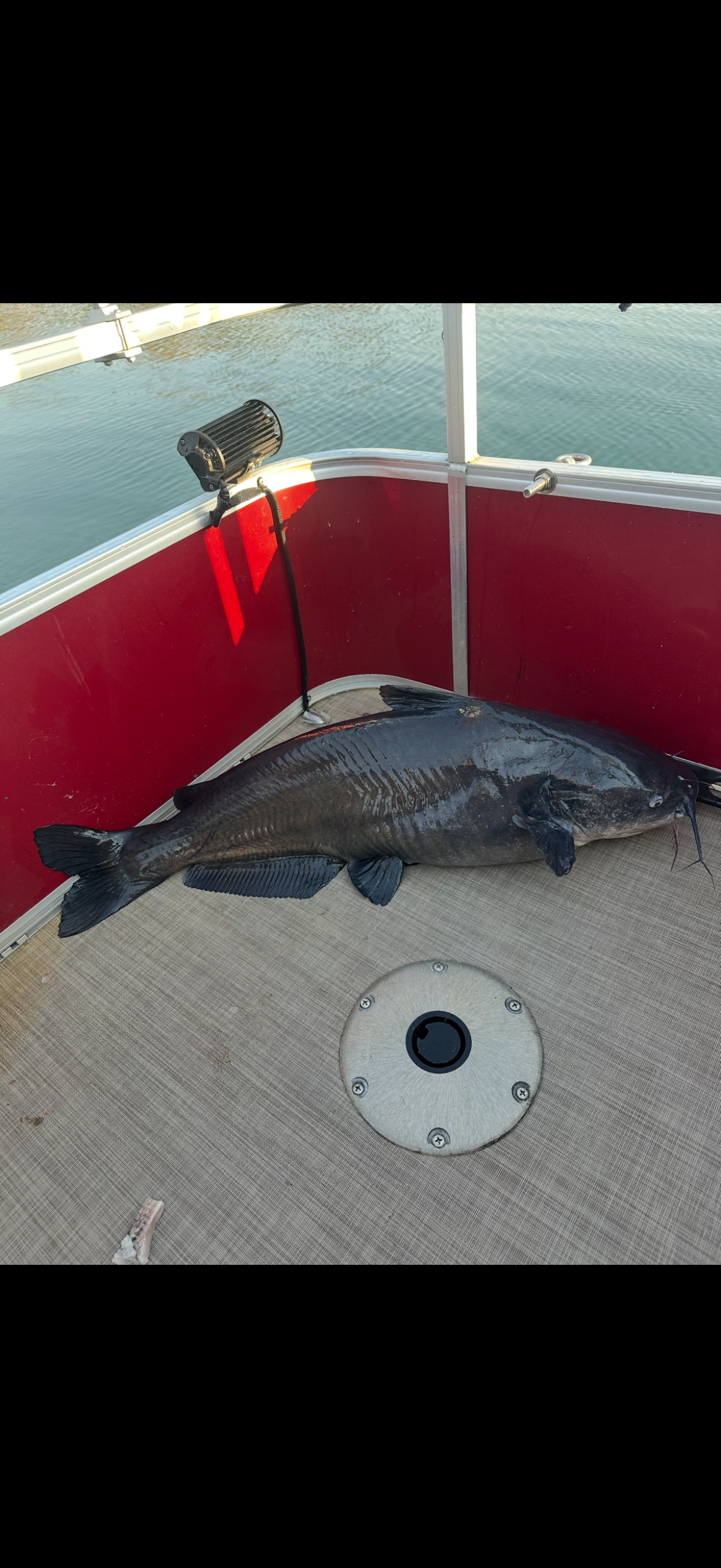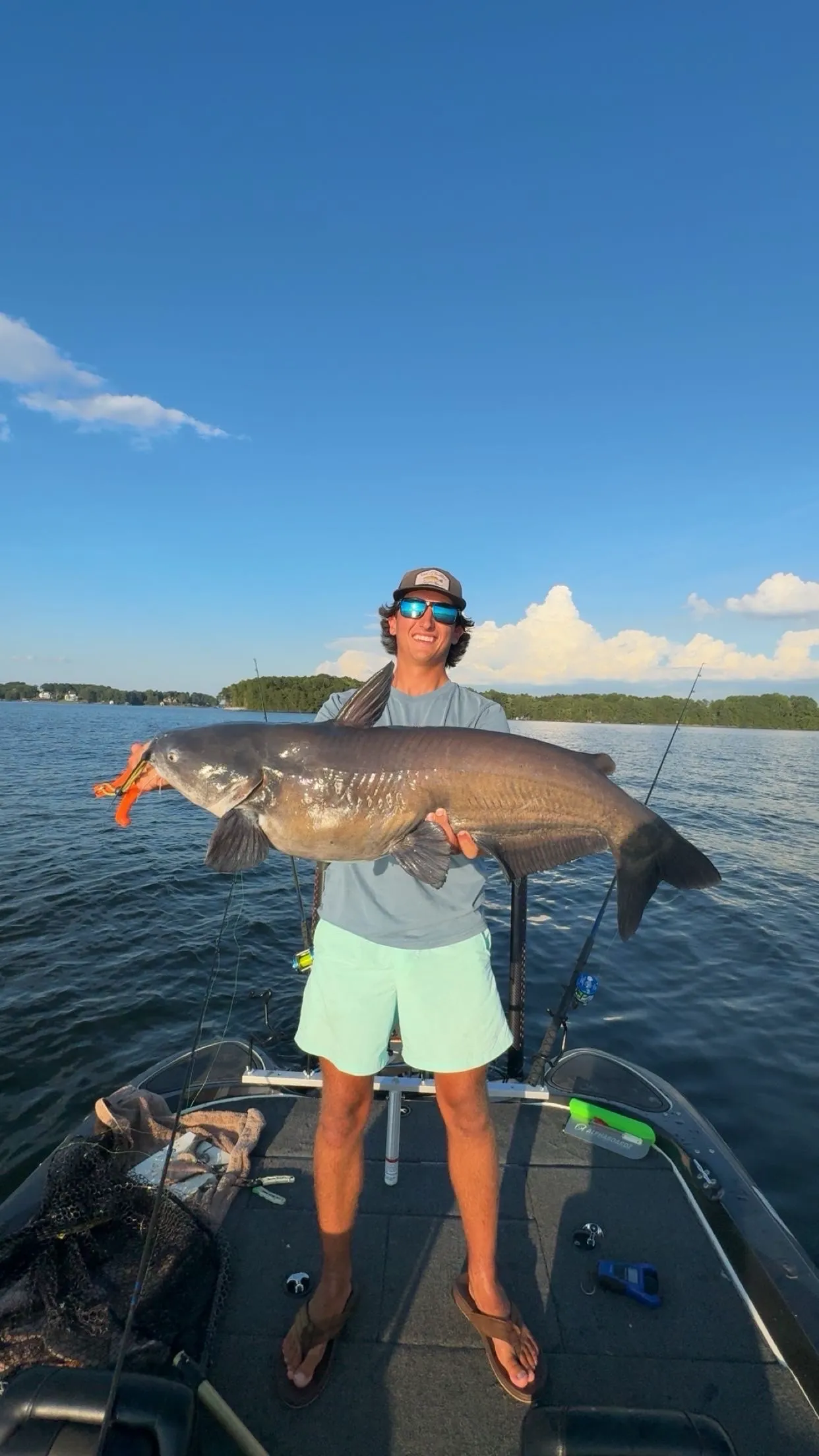
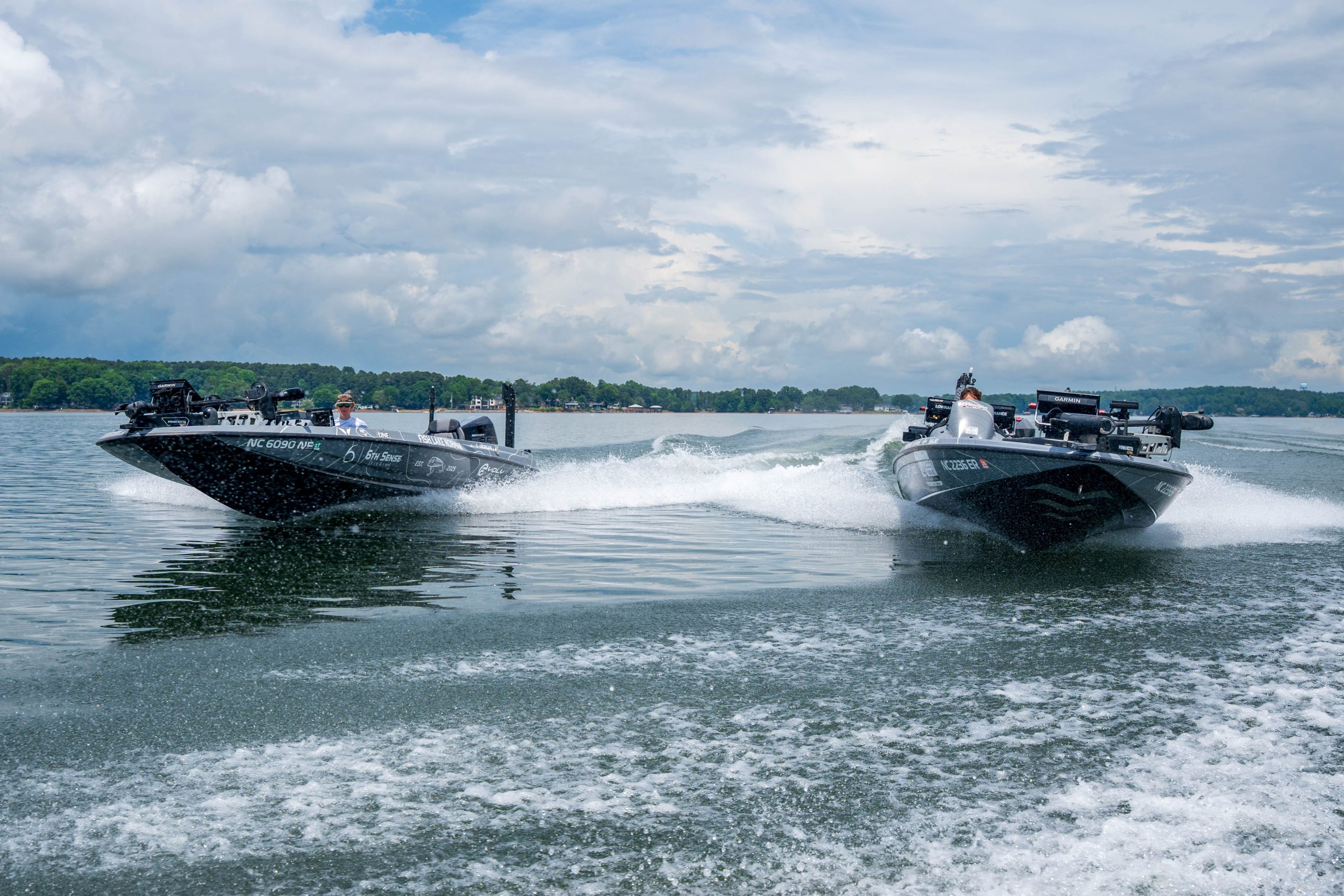
Lake Norman can feel huge when you first fish it. Long shorelines, many coves, and changing water make it easy to waste hours. A guided trip can cut that time down. A good guide knows where fish hold in each season and why they pick those places. They also know how wind, boat traffic, and water level change the bite. You do not just ride in a boat and hope. You watch real steps: how the guide picks a spot, checks depth, reads sonar, and chooses bait. By the end of the day, you can repeat the same plan on your own. This blog explains how guided trips help you find fish fast on Lake Norman without feeling lost anymore.
Guides Turn Lake Maps Into Fast Choices
Lake Norman has points, creek arms, docks, riprap banks, and many pockets. A map can show all of that, but it cannot tell you what is working today. A guide turns map shapes into quick choices. They know which areas warm first in spring, where baitfish gather in summer, and which banks hold heat in fall. They also keep notes from many trips, so they can start with high-odds water instead of guessing.
Quick map clues a guide uses:
- Main-lake points for current and bait
- Secondary points inside creeks when fish move in
- Long dock lines for shade and cover
- Channel swings where deep water hugs the bank
- Hard bottoms like rock when fish want crawfish
When you see these clues on the water, the lake starts to feel smaller.
Sonar Setup Shows Fish And Bottom Fast
Fish-finders can help a lot, but only if they are set up right and read the right way. On a guided trip, you learn what each screen means. The guide may use 2D sonar to watch depth changes, down imaging to spot brush, and side imaging to scan wide areas. They will also explain why speed matters: idle speed is best for scanning, while fast runs blur the picture.
A guide often checks a few key settings first:
- Depth range: Keep it close to the water you are fishing.
- Sensitivity: Too low hides bait; too high adds clutter.
- Chart speed: Match it to boat speed so marks look normal.
- Transducer angle: A bad angle can miss fish near the bottom.
With these steps, you can find cover like brush, stumps, and rock piles much faster.
Seasonal Patterns Shrink Your Search Area Fast
Fish move for simple reasons: food, water temperature, and cover. A guide uses the season to shrink the lake into a few zones that matter, and that saves time.
- Spring: Many bass and crappie slide into creeks. Water in the backs can be 2–5 degrees warmer than the main lake, so fish hold on shallow flats near a nearby drop.
- Summer: Fish often hold deeper or under shade. On sonar, you may see a faint thermocline line; fish often group above that depth because oxygen is better there. Brush piles in 15–30 feet can be key.
- Fall: Baitfish push shallow again. Wind-blown banks and the mouths of coves can stack bait, and fish follow.
- Winter: Slow down. Fish may stay near steep banks, deeper docks, or channel edges where depth changes fast.
Instead of trying every cove, you start where the fish should be for that week.
Boat Position And Angles Make Bites Happen
You can be in the right spot and still miss fish if your boat sits wrong. Guides focus on boat control because it keeps your bait in the strike zone longer. They use wind direction, trolling motor speed, and safe casting lanes to set up clean angles. This matters on Lake Norman because boat traffic can send wakes into pockets and change your drift.
Simple angle rules a guide may teach:
- Cast past the target so the lure works through it.
- Fish a point from deep to shallow when fish hold off the edge.
- Fish docks from outside in to hit shade lines first.
- Keep the boat in deeper water when fish are spooky in clear water.
- Let the wind help, but do not let it pull you off the spot.
These small moves can turn a quiet hour into steady bites.
Simple Tackle Plans Reduce Wasted Casting Time
Many anglers carry too much gear and switch baits without a plan. A guide keeps it simple and picks tools that match the day. On Lake Norman, you often fish around docks, brush, and rock, so line choice and hook choice matter.
A basic guided-trip tackle plan might look like this:
- Bass near docks: 12–17 lb mono or fluoro, a jig or a wacky worm, and a rod that can skip.
- Bass on points: A shaky head, a drop shot, or a small swimbait that stays near bottom.
- Crappie: 4–8 lb line, small jigs, and slow moves near brush in 10–25 feet.
- Catfish: Heavier line, circle hooks, and cut bait on a slip sinker rig near channel edges.
The guide explains when to use each setup, so you spend more time with a bait that fits the spot.
Real-Time Changes Keep You On Active Fish
Conditions change fast, so guides adjust fast. If the sun comes out, fish may slide tighter to shade under docks or trees. If wind picks up, fish may feed on wind-blown points because waves push bait toward them. If water gets muddy after rain, fish may move shallower and rely more on feel than sight.
A guide watches quick signs:
- Bait flicking on the surface
- Clearer water at one creek mouth than another
- A drop in water level that pulls fish off a bank
They follow a short change list:
- Change depth before changing bait. Fish might be 5 feet deeper.
- Change speed next: faster for active fish, slower for shy fish.
- Change sound or feel: try a spinnerbait or a soft bait with scent.
- Change location if signs are bad (no bait, no marks, no bites).
You learn to adjust in minutes instead of staying stuck.
Rules, Safety, And Local Habits Matter Too
Finding fish fast is not only about bait. It is also about fishing the right way on the lake. Lake Norman has many docks, busy lanes, and no-wake zones. A guide helps you stay safe, choose smart runs, and handle wakes. They can also show how to approach a dock without banging the boat, which can spook fish.
They also help with rules and care reminders:
- Keep your North Carolina fishing license current.
- Watch for posted signs near marinas, bridges, and ramps.
- Respect dock owners and give space to other boats.
- Wear a life jacket when the boat is on plane.
- Check the forecast and leave early if storms build.
- Handle fish with wet hands and release them quickly when possible.
This kind of coaching saves time because you spend less effort fixing tangles, avoiding risky water, or dealing with mistakes at the ramp.
Closing Thoughts On Quick Success With Guides
Guided trips speed up your learning on Lake Norman because you see a clear plan from start to finish. You learn how to pick areas, set up sonar, follow seasonal moves, and place the boat for better casts. You also leave with simple tackle plans and a short list of smart changes for slow hours. If you want help on the water, Fish Lake Norma offers fishing charter services at Lake Norman, NC, with max 3 guests. A small group means more hands-on help and more time fishing.